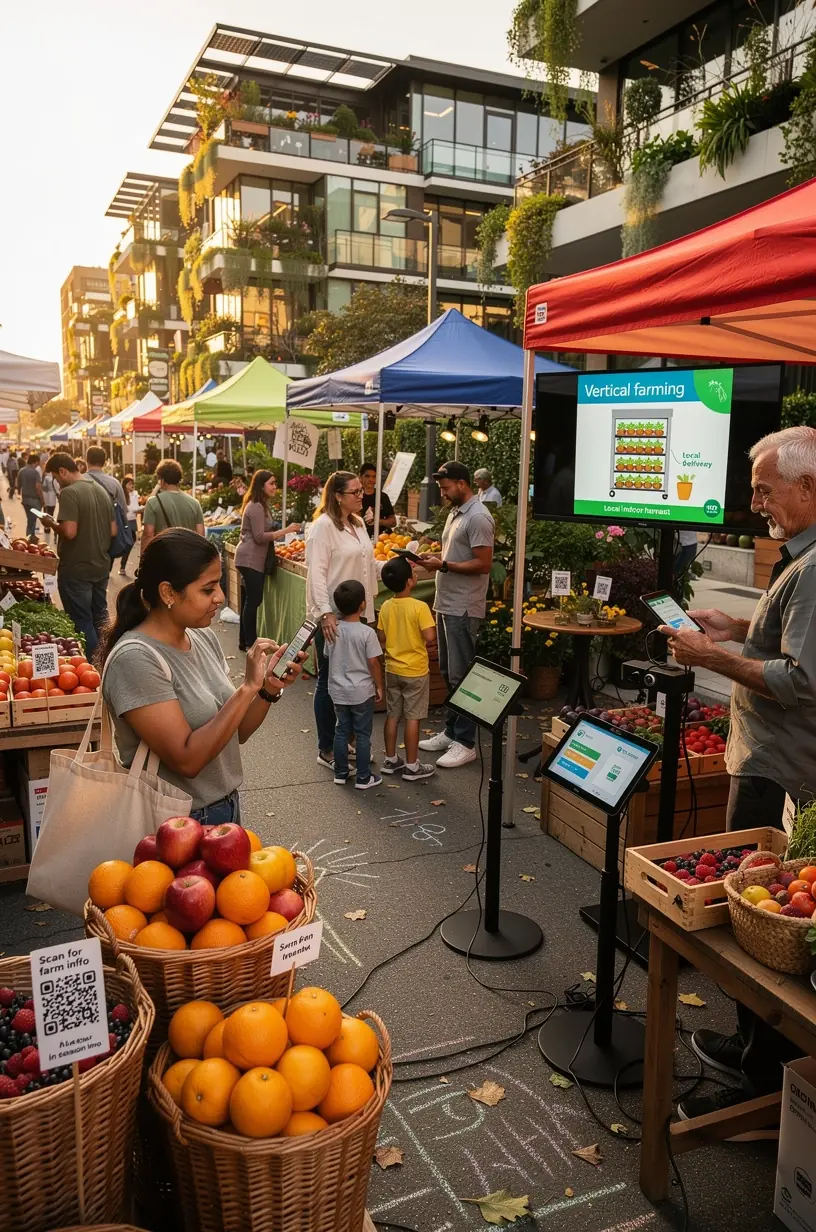
How Technology Supports Local Food Systems
In recent years, technology has played a pivotal role in reshaping local food systems across Canada. This article explores various technological advancements that enhance food production, distribution, and consumption, ultimately fostering sustainable practices within residential districts.
Understanding the Basics of Local Food Systems
Local food systems are designed to provide fresh, organic, and locally-produced food to communities. According to research from the Canadian Agriculture and Agri-Food Canada, local food systems not only support farmers but also strengthen community resilience by reducing the carbon footprint associated with transport. Many experts recommend integrating technology to optimize these systems for better efficiency and sustainability.

"Technology can enhance local food systems by improving accessibility, reducing waste, and increasing consumer engagement."
How Technology Enhances Food Production
Technological innovations, such as precision agriculture and vertical farming, are transforming how food is grown. For instance, precision agriculture utilizes data analytics and GPS technology to monitor crop health and optimize inputs like water and fertilizers. Studies indicate that this approach can increase crop yields by approximately 15-20% in many cases. Vertical farming, on the other hand, allows for urban agriculture in limited spaces, making it suitable for residential areas.
Key Technological Innovations
- Smart Irrigation Systems: These systems use sensors to determine the moisture level of the soil, ensuring water is used efficiently. This method typically requires less water, which can reduce costs and environmental impact.
- Mobile Apps for Farmers: Many farmers are now using mobile applications to track their produce and communicate directly with consumers. This technology helps streamline the supply chain and can improve sales.
- Community Supported Agriculture (CSA) Platforms: These online platforms connect local farmers with consumers, allowing residents to purchase produce directly. This model often leads to fresher food and supports local economies.
Improving Distribution and Accessibility
Distribution technologies, including delivery apps and online marketplaces, have made local food more accessible. Research suggests that 45% of consumers prefer buying groceries online, and many local grocers have adapted by offering home delivery services. This shift not only caters to consumer preferences but can also reduce food waste, as products are delivered closer to their end users faster.
"Experts recommend that local businesses embrace digital tools to remain competitive in an evolving market."
Challenges and Limitations
While technology offers numerous benefits to local food systems, it's important to acknowledge some challenges. Implementing new technologies often requires a financial investment and a learning curve for users. For instance, many farmers report that adopting precision agriculture tools typically takes anywhere from 3 to 6 months to see measurable benefits.
Moreover, not all technologies are suitable for every region. Factors such as climate, local regulations, and available resources can impact the effectiveness of specific tools. Therefore, each community must assess its unique context to determine the most appropriate technological solutions.
Conclusion: Embracing the Future of Local Food Systems
As technology continues to evolve, its role in local food systems will likely expand. By integrating innovative approaches, communities in Canada can enhance food production, improve distribution, and support sustainable practices. While challenges exist, the potential benefits often outweigh the drawbacks, making it essential for local businesses and consumers to remain informed and engaged. By focusing on education and adaptation, we can create a more resilient and efficient food system that benefits everyone.
Learn More