Understanding the Role of Green Roofs
As urban areas continue to expand, the need for sustainable solutions becomes increasingly critical. One innovative approach gaining traction is the implementation of green roofs, which can enhance community life and contribute to environmental sustainability.
Understanding the Basics
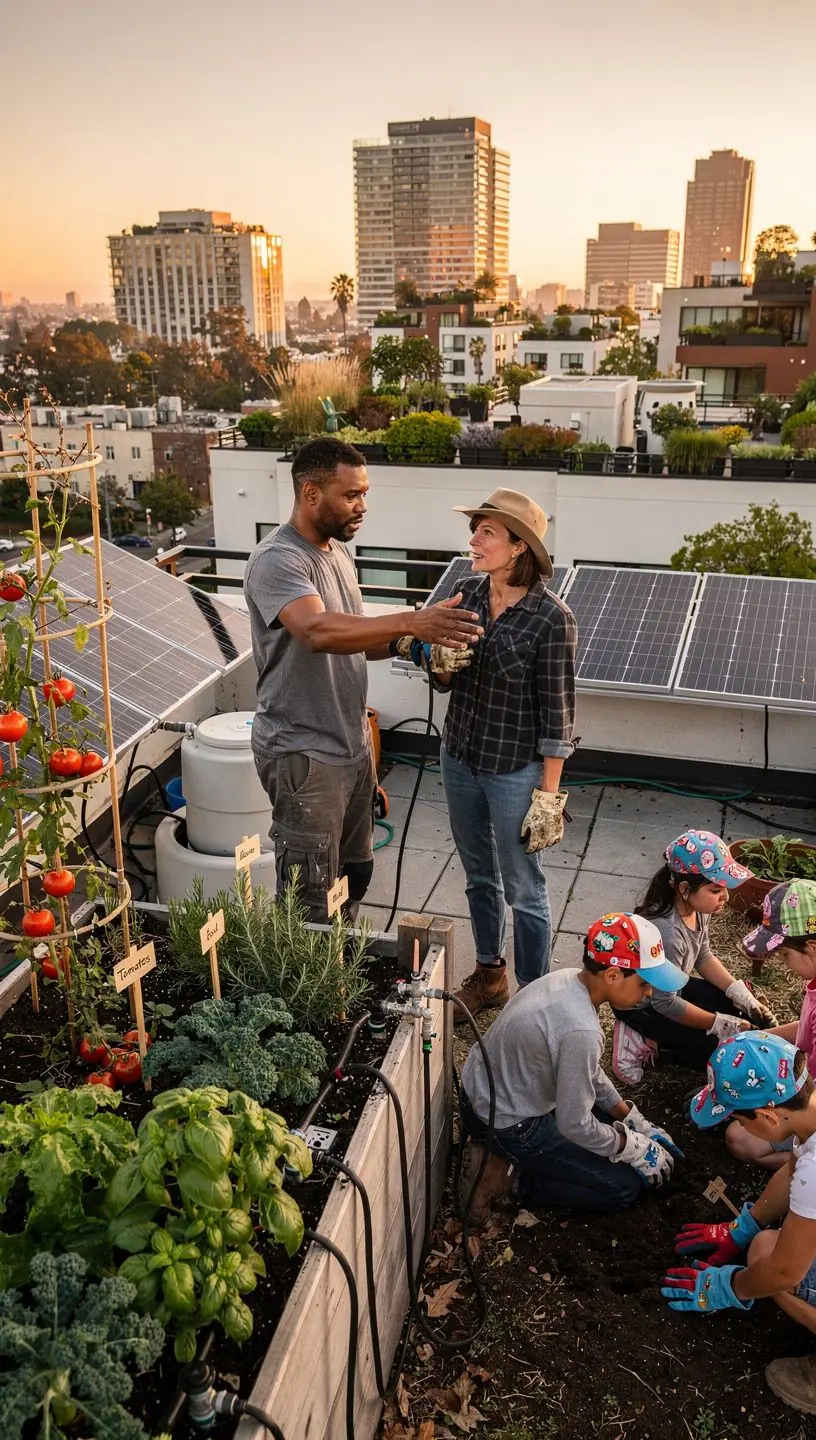
Green roofs, also known as living roofs, involve the cultivation of vegetation on building rooftops. According to research from the National Research Council of Canada, these systems can help mitigate urban heat, reduce energy consumption, and manage stormwater effectively. The principle behind green roofs is that they absorb rainwater, provide insulation, and decrease the urban heat island effect, thus improving the overall quality of life in residential districts.
"Green roofs not only enhance aesthetic appeal but also play a significant role in improving air quality and reducing energy costs." - Urban Sustainability Expert
Benefits of Green Roofs
Implementing green roofs can offer a range of benefits, particularly in urban environments:
- Energy Efficiency: Studies show that green roofs can reduce heating and cooling costs by up to 25%, making them an effective solution for energy efficiency.
- Stormwater Management: Green roofs can retain approximately 50-90% of rainfall, which can significantly reduce runoff and alleviate pressure on urban drainage systems.
- Air Quality Improvement: Vegetation can filter pollutants and carbon dioxide, contributing to better air quality in densely populated areas.
Practical Application
Installing a green roof typically involves several steps:
- Assess the structural integrity of the building to ensure it can support the additional weight of soil and plants.
- Choose the appropriate type of green roof, such as extensive or intensive systems, based on the desired vegetation and functionality.
- Follow best practices for installation, which often includes using a waterproof membrane, drainage layers, and appropriate soil depth.
It is important to note that creating a green roof may require a significant initial investment and ongoing maintenance to ensure plant health, which involves regular watering, fertilization, and weeding.
Conclusion
In summary, green roofs present a viable solution for enhancing urban living, promoting sustainability, and improving environmental conditions in residential districts. While they require careful planning and maintenance, the potential benefits—such as energy savings, stormwater management, and improved air quality—make them an innovative option worth considering. As urban areas continue to evolve, embracing such technologies can lead to a more sustainable future.