How Digital Platforms Foster Neighborhood Connections
In an age where technology increasingly influences our daily lives, digital platforms play a crucial role in enhancing community engagement and building meaningful neighborhood connections. This article explores how these platforms work and the benefits they bring to residential districts in Canada.
Understanding the Basics
Digital platforms typically serve as online spaces where residents can communicate, share resources, and collaborate on community projects. According to research by the Canadian Urban Institute, neighborhoods that actively use digital platforms often report increased social cohesion and lower feelings of loneliness among residents. This is largely due to the accessibility these platforms provide.
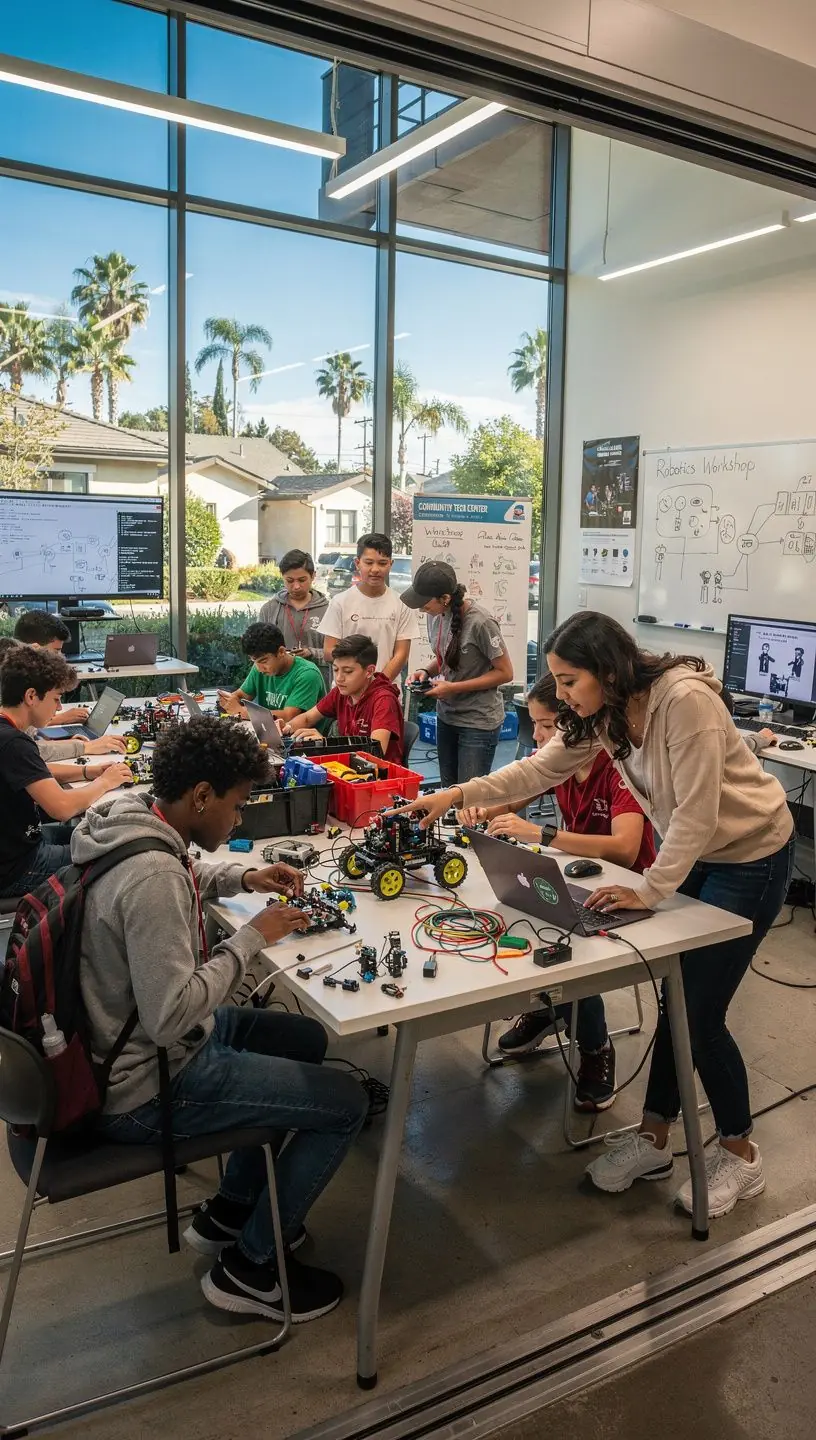
"Communities that leverage technology to foster connections often see improved quality of life and enhanced civic engagement." - Urban Studies Journal
How Digital Platforms Work
Here’s a closer look at how these platforms typically function:
- Communication Tools: Many platforms offer features such as forums, chat groups, and event calendars, allowing residents to discuss local issues and organize community events.
- Resource Sharing: Digital platforms often include sections for exchanging goods and services, such as neighborhood tool libraries or babysitting cooperatives, which can help foster a sense of community.
- Feedback Mechanisms: Users can provide feedback on community projects, services, and events, allowing local governments to better understand resident needs and preferences.
Benefits for Neighborhoods
The adoption of digital platforms can lead to several advantages for neighborhoods:
- Enhanced Communication: Studies indicate that effective communication can increase community participation by up to 40%, as residents feel more informed about local happenings.
- Stronger Community Bonds: Engaging with neighbors through digital platforms can lead to friendships and collaborations that may not have occurred otherwise.
- Increased Civic Engagement: Platforms that facilitate easy access to local governance information encourage residents to participate in civic activities, such as town hall meetings or local elections.
Acknowledging Limitations
While digital platforms can greatly enhance neighborhood connections, they are not without limitations. Many users report a learning curve associated with navigating these platforms, and regular engagement typically requires time and dedication. Additionally, these platforms work best when residents already possess some level of digital literacy; therefore, outreach may be needed to assist those less familiar with technology.
Conclusion
Digital platforms have the potential to significantly improve neighborhood connections by facilitating communication, resource sharing, and civic engagement. However, it’s important for communities to recognize the effort required for effective participation and address potential barriers. By prioritizing education and support, neighborhoods can truly harness the benefits of technology, fostering a vibrant and connected community.